Wood as a Building Material: Advantages, Fire Safety, and Challenges
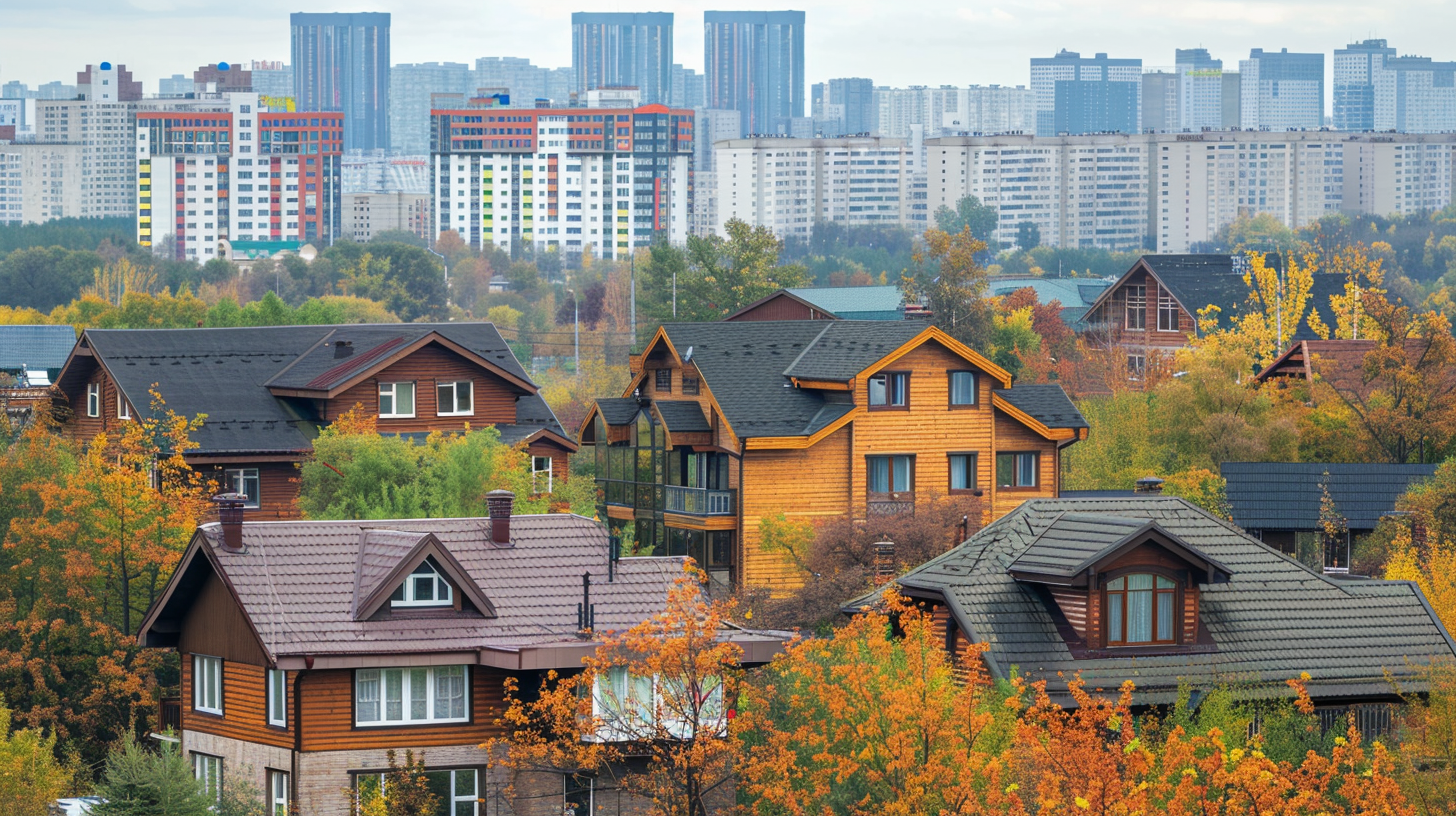
Wood has been a core building material throughout history. In recent decades, engineered wood products such as cross-laminated timber (CLT), glued laminated timber (glulam), and laminated veneer lumber (LVL) have expanded their use into multi-storey residential buildings, commercial projects, and large public structures.
Why wood is gaining ground in construction
Wood offers a combination of properties that few materials match. It is renewable, has a lower carbon footprint than concrete and steel, and performs well structurally for its weight. Architects increasingly specify wood for its aesthetic qualities; the natural texture and warmth it brings to interior and exterior spaces are difficult to replicate with other materials. In Scandinavia, the Baltic states, and Central Europe, wood frame and mass timber construction is now standard for residential buildings up to eight storeys.
Fire safety requirements for wood in buildings
Fire safety is the most common technical challenge raised when specifying wood. Two separate classification systems are relevant, and confusing them leads to specification errors.
Reaction to fire describes how a material contributes to the start and spread of a fire. It is measured under EN 13501-1:2018 and expressed as Euroclass ratings: A1, A2, B, C, D, E, and F. Class A1 covers non-combustible materials such as mineral wool, concrete, and steel. Class B is the highest Euroclass commonly achievable for exposed wood products with fire-retardant treatment.
Fire resistance describes how long a structural element, a wall, floor, or beam, continues to perform its load-bearing or separating function under fire conditions. It is expressed as R, E, or I ratings with a time value, such as REI 60. Fire resistance applies to structural systems, not surface finishes.
When a building regulation requires B-s1,d0 for a facade or interior lining, it refers to the surface material's reaction-to-fire classification. When it requires REI 60 for a floor structure, it refers to the fire resistance and structural performance of the assembly.
When is B-s1,d0 required?
B-s1,d0 is the highest reaction-to-fire class practically achievable for exposed wood while preserving its natural appearance. Regulations typically require B-s1,d0 or better for exterior facade cladding on buildings above two storeys, interior wall and ceiling linings in escape routes, stairwells and corridors, and publicly accessible spaces such as schools, hospitals, and assembly halls. The exact requirement depends on the national building code, building height, use class, and occupancy type.
Class A2 is required where near-non-combustible performance is needed — typically for substrates, cavity barriers, or where the risk profile demands it. A2 is not generally achievable for exposed natural wood surfaces.
Practical considerations for architects and specifiers
When specifying wood for a project with fire safety requirements, confirm the required reaction-to-fire class under the relevant national building code. Check that the product or treatment system has a valid EN 13501-1 classification report or certificate from an accredited body. Verify that the certified field of application covers the intended wood species, board thickness, substrate, installation method, and end-use condition. Keep certificates and classification reports on file as part of the building's fire safety documentation.
Summary
Wood remains a practical and architecturally versatile building material. Understanding the distinction between reaction to fire and fire resistance, and knowing when B-s1,d0 or A2 is required, allows architects and specifiers to select wood products that meet regulatory requirements without compromising on appearance or sustainability goals.



 +372 5686 4224
.png "Taavi Küng")
 +372 5695 2333
 taavi@solidprotect.eu
.png "Raido Rokk")
.png "Priit Jänes")